


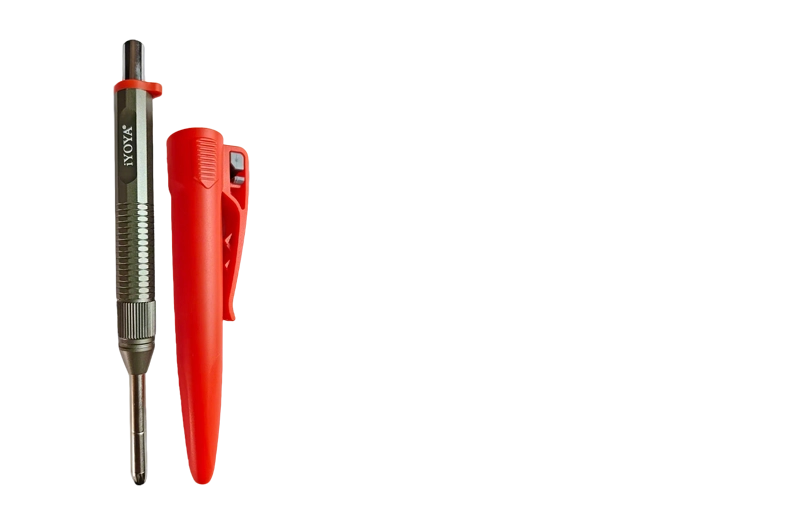



Craftsmanship in Miniature: The Evolution of Deep-Hole Marking Pencils

Deep-hole marking pencils are humble yet essential tools for carpenters and construction workers. Born from practical needs of frontline craftsmen rather than lab innovations, this tool has evolved from makeshift workarounds at shipyards into a versatile professional product. Its century-long development mirrors how artisans worldwide balance workmanship and work efficiency.
1. Early Prototypes: From Anti-Roll Pencils to Shipyard Solutions
Traditional flat carpenter pencils were widely used for marking, thanks to their roll-resistant design. However, complex pipelines and narrow compartments inside early ships made ordinary pencils unusable — they were too thick to reach tight spots.
Shipyard workers came up with a simple fix: placing pencil leads inside thin metal tubes to create extended marking tools. This practical design went into small-scale production around 1912.
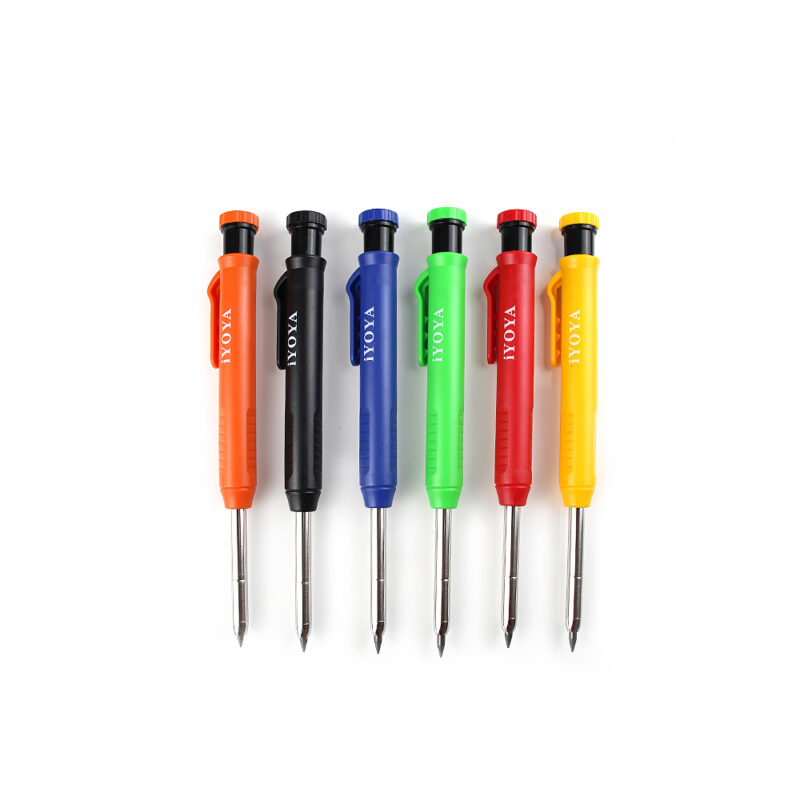
2. Wartime Standardization during WWII
World War II became a key turning point. The naval industry relied heavily on long-nozzle marking tools for marking inside warships’ confined spaces. Authorities commissioned mass production, formalizing specifications for the first time.
After the war, the standardized deep-hole marking tools spread to furniture factories and carpentry workshops, becoming a staple across the woodworking industry.
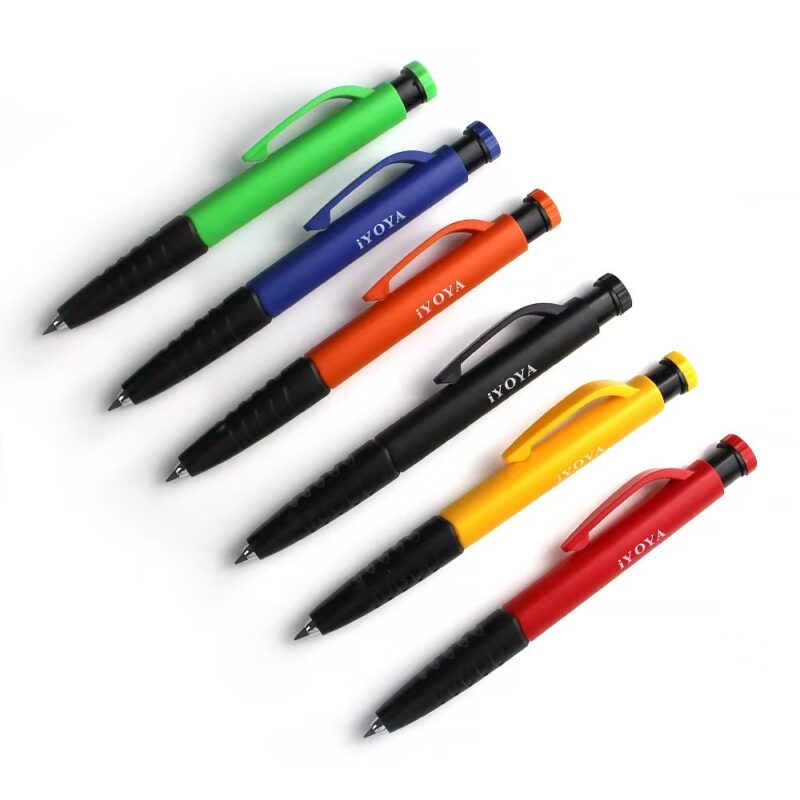
3. Structural Standardization: The 2.8mm Lead Norm
Decades of use set universal industry standards. Long, slender nozzles are mostly made of stainless steel or brass, with lengths ranging from a few centimeters to over ten centimeters.
The 2.8mm round lead became the mainstream choice: sturdy enough to avoid breakage, yet slim enough for narrow gaps. Leads with hardness from 2H to 4H deliver durable, precise lines. The flat pencil body retains the anti-roll feature, while push-button lead advancing and built-in sharpeners further boost usability.
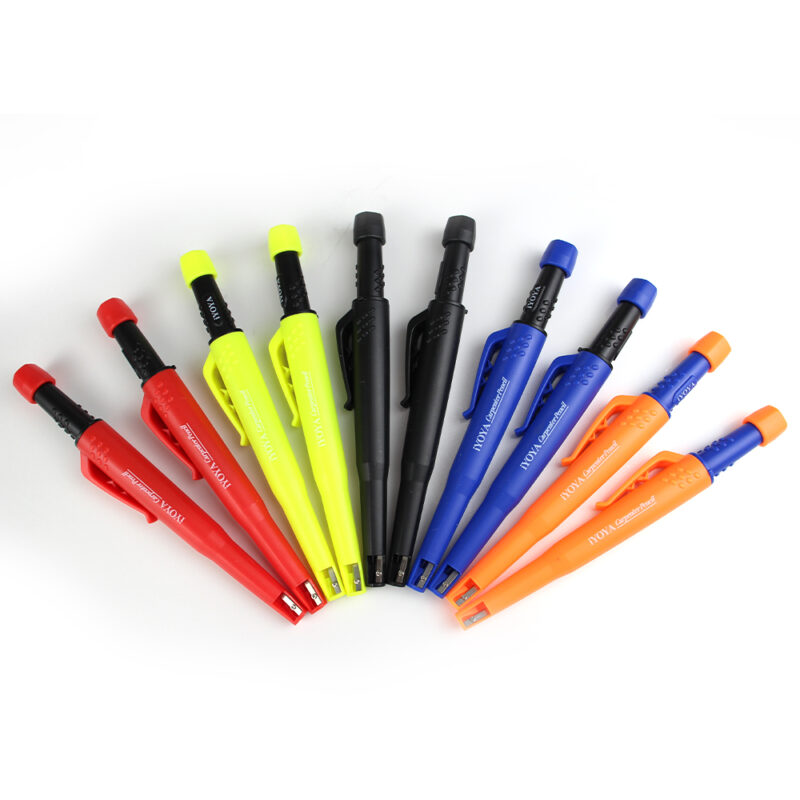
4. Diversified Innovation in the 21st Century
Modern deep-hole marking tools see booming market competition and functional upgrades. Beyond traditional mechanical pencil styles, new marking mediums including ink, gel and marking powder have emerged.
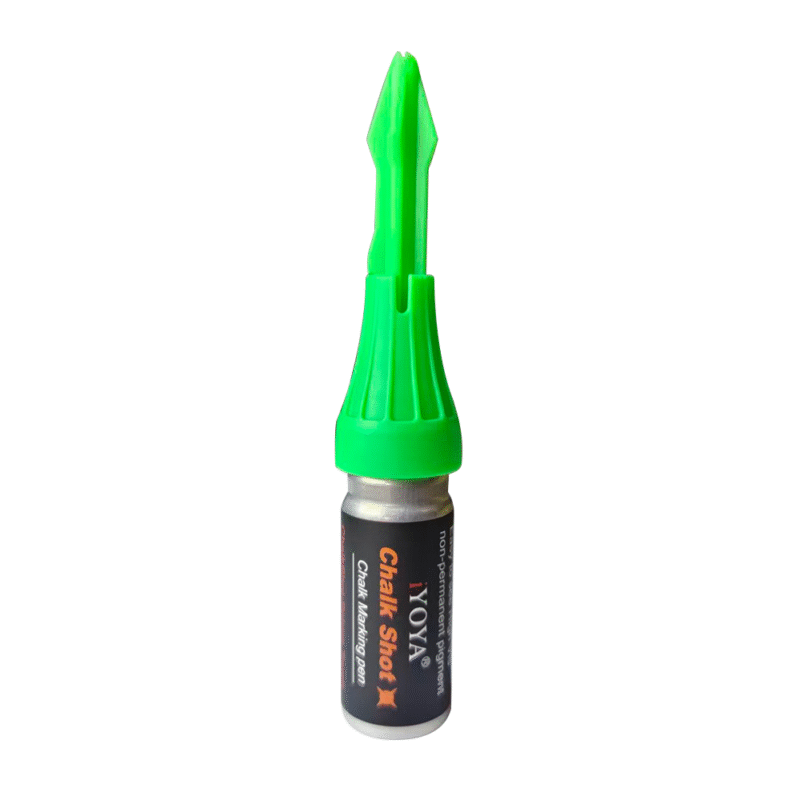
The powder-type variant stands out: equipped with a 360° rotatable nozzle, it sprays fluorescent powder up to 250mm deep. Featuring a patent pump structure without gas propulsion, it is safer, eco-friendlier and longer-lasting for marking on metal, concrete and hard plastic.
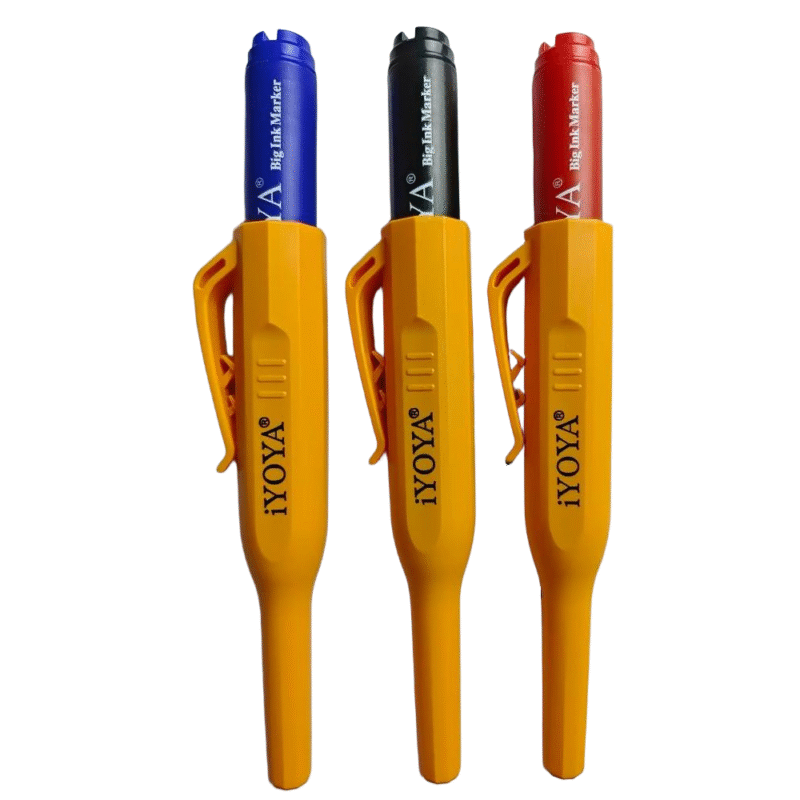
5. Rise of Chinese Brands: Innovations by iYOYA
Chinese manufacturers have made remarkable progress in this niche sector, with iYOYA (owned by Jilin Shichuang International Trade Co., Ltd.) as a representative brand.
Instead of copying existing designs, iYOYA launched targeted upgrades:
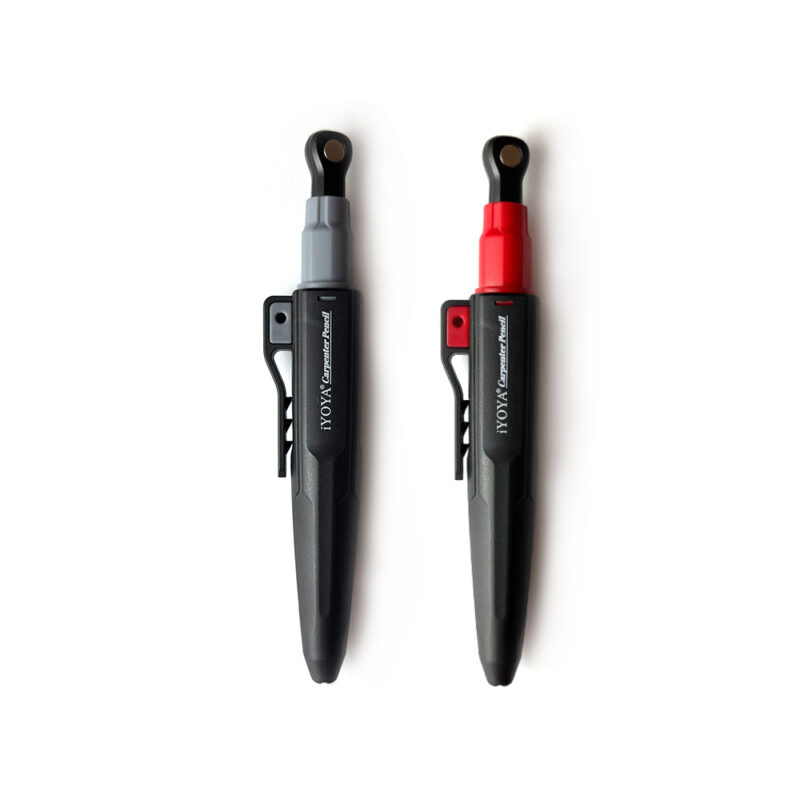
Magnetic design: Integrated magnetic pickers retrieve small parts easily, and magnetic joints ensure smooth operation.
Dual models: ST-700 (ABS, copper and stainless steel build) excels at heavy-duty deep-hole marking; ST-800 with replaceable tips caters to users needing multi-functional tools.
Optimized materials & cost control: Delivers high cost performance for global buyers.
Smart manufacturing: Patented intelligent production systems and 5-axis CNC equipment elevate production efficiency.
6. Irreplaceable Value
Even with popular digital measuring devices, deep-hole marking pencils remain indispensable:
Tatile feedback helps craftsmen judge surface flatness and wood grain.
Seamless operation cuts down tool switching and improves efficiency.
All-mechanical structure works reliably in dusty workshops and harsh outdoor conditions.
As seasoned carpenters put it: nothing beats hand-drawn marks for solid craftsmanship.
Conclusion
From a temporary shipyard workaround to a mature product category, deep-hole marking pencils keep evolving driven by demands for higher precision and efficiency. With continuous innovations from brands like iYOYA, this classic hand tool will keep serving craftsmen for years to come.