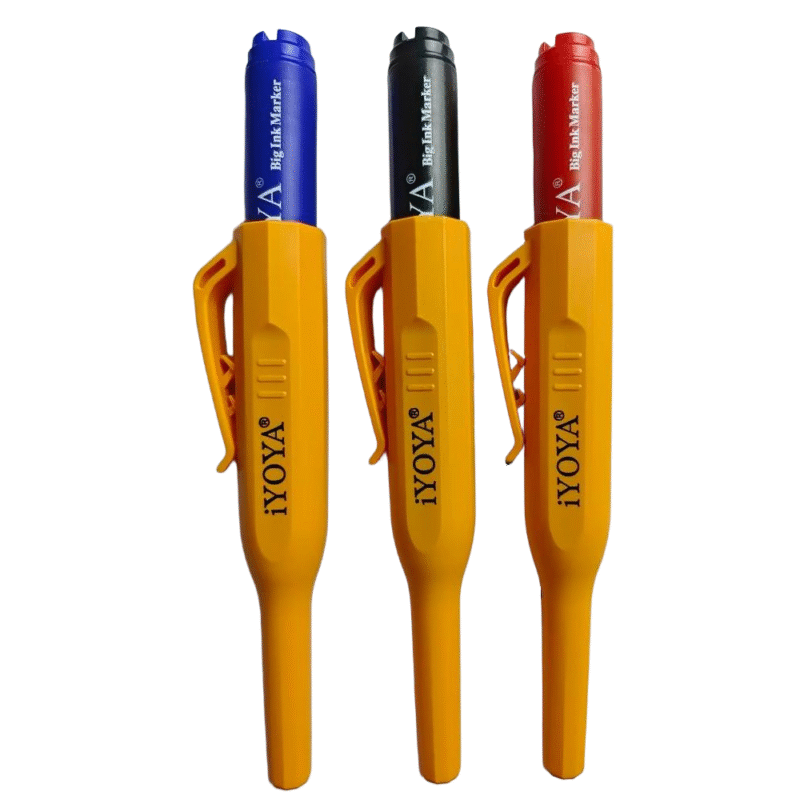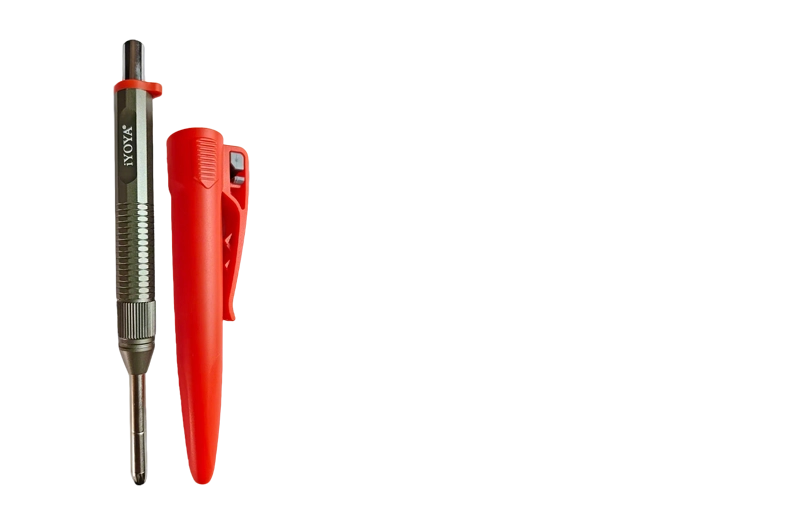



How to Mark Hard-to-Reach Wood Areas Perfectly in Carpentry

Accurate marking is the foundation of every high-quality woodworking and carpentry project. Whether you are building custom furniture, installing wooden fixtures, or completing construction woodwork, clear and precise marks ensure precise cutting, drilling, and assembly. However, hard-to-reach wood areas — including recessed cavities, deep drilled holes, tight joint gaps, and inner wall surfaces of wooden frames — have long been a universal pain point for both professional carpenters and DIY woodworkers. Traditional marking tools often fail to deliver legible, accurate marks in these confined spaces, leading to misalignment, material waste, and rework. This guide shares practical, industry-proven methods and dedicated tools to help you mark inaccessible wood areas perfectly every time.
Common Hard-to-Reach Marking Scenarios in Woodworking
In daily carpentry and woodworking projects, most marking errors occur in spatially restricted areas. Recognizing these common scenarios helps you select targeted marking solutions and avoid unnecessary mistakes:
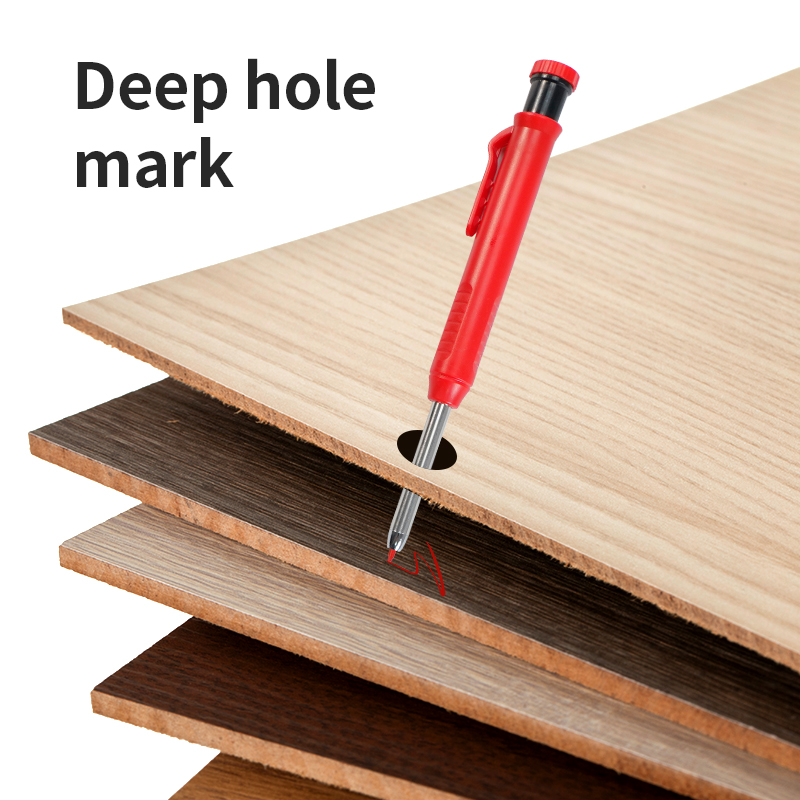
- Deep drilled through holes: When drilling thick wood panels, the inner wall and bottom of deep holes cannot be touched by standard pencil tips, making it impossible to mark positioning lines for secondary processing.
- Recessed cabinet and furniture cavities: Built-in wooden cabinets, drawer grooves, and enclosed furniture frames have narrow inner spaces where regular tools cannot extend to mark assembly and trimming lines.
- Tight structural joints: After assembling wooden beams and frames, the residual narrow gaps between components are inaccessible for conventional marking, affecting subsequent modification and fitting work.
- Elevated or hidden wood surfaces: High wall wood trim, ceiling wooden structures, and bottom surfaces of furniture require extended tool reach for accurate marking without dismantling finished parts.
All these scenarios share one core challenge: standard marking tools lack sufficient length and flexible access to reach target surfaces, resulting in faint, offset, or missing marks.
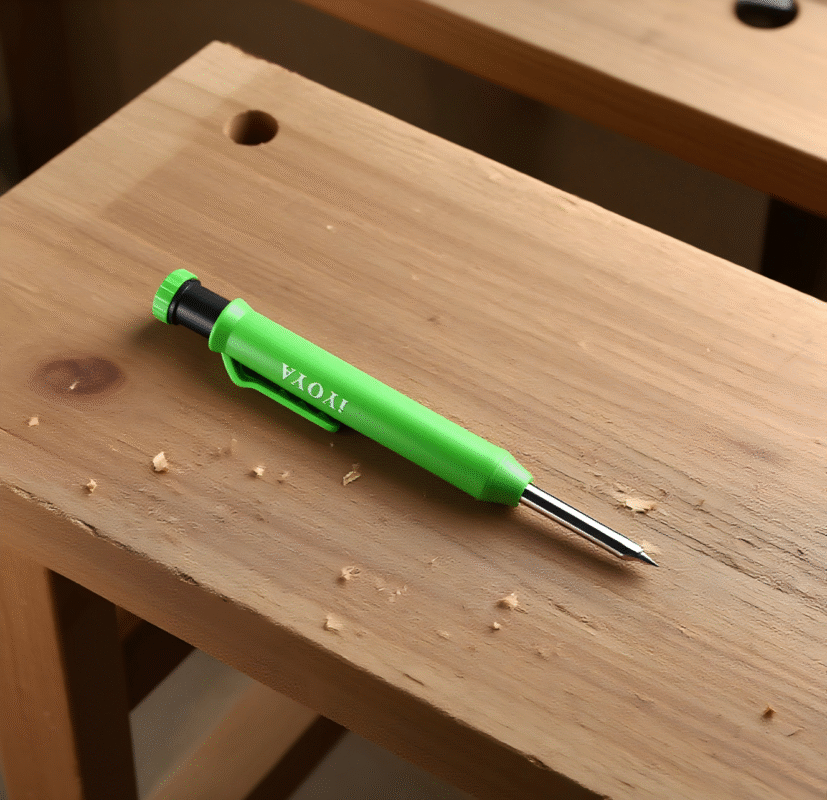
Why Traditional Pencils Fail on Confined Wood Spaces
Most woodworkers rely on standard carpenter pencils and ordinary stationery pencils for daily marking, but these tools have inherent structural limitations for hard-to-reach areas:
First, standard pencil tips are short and integrated with a thick pencil body. The bulky barrel blocks access to deep and narrow spaces, so the tip cannot fully contact the inner wood surface of recessed holes or tight gaps. Second, regular pencil leads are soft and prone to breaking when extended for long-distance marking, leading to incomplete marks and frequent tool replacement. Third, traditional carpenter pencils are designed for open, flat wood surfaces, with no specialized structure for deep-space positioning, making them inefficient for complex hidden areas.
These flaws not only reduce marking accuracy but also slow down the entire woodworking process. For professional contractors and mass furniture makers, inefficient marking directly increases labor costs and lowers project yield.

Professional Methods to Mark Recessed & Deep Wood Areas
After years of industry practice, professional woodworkers have summarized two mainstream effective methods for marking hard-to-reach wood areas, suitable for different project needs and budgets:
1. Auxiliary Extension Marking Method
This DIY method uses thin auxiliary rods to extend ordinary pencil tips for temporary deep-space marking. It is suitable for occasional small-scale DIY projects with low marking frequency. However, the disadvantages are obvious: the extended structure is unstable, prone to shaking and mark deviation, and the temporary combination cannot withstand long-term repeated use. It is not recommended for professional high-precision projects.
2. Specialized Deep Hole Marking Tool Method
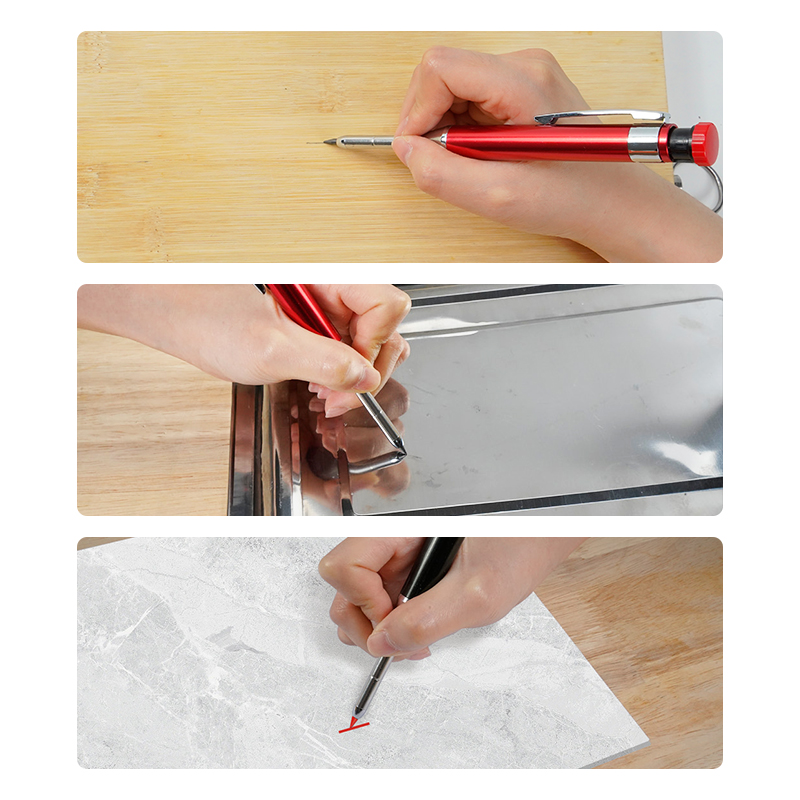
The most efficient and accurate long-term solution is to use a deep hole woodworking pencil professionally designed for confined wood spaces. Unlike traditional tools, this specialized marking tool features an extended slim tip structure that can easily penetrate deep holes, recessed cavities, and tight gaps. It delivers stable, clear, and long-lasting marks on all hidden wood surfaces, perfectly solving the access problem of hard-to-reach areas.
The Most Reliable Tool for Hard-to-Reach Wood Marking
For pursuing precision, efficiency, and durability in complex wood marking scenarios, professional-gradedeep hole carpenter pencils are the optimal choice for both professional carpenters and serious woodworking enthusiasts. As a professional marking tool manufacturer with 15 years of industry experience, iYOYA designs dedicated wood marking tools targeting the pain points of hard-to-reach wood area marking.
The iYOYA deep hole woodworking pencil is engineered with a slim, extended marking tip that effortlessly reaches recessed surfaces, deep drilled holes, and tight structural gaps that standard pencils cannot access. Built with high-quality materials and refined mechanical craftsmanship, it ensures stable marking performance and a long service life. Every mark made by this tool is crisp, accurate, and fade-resistant, suitable for cutting, drilling, assembly positioning, and secondary processing of all wood materials.
Different from ordinary modified pencils, iYOYA professional woodworking marking tools are optimized specifically for carpentry and construction scenarios. The tool structure avoids shaking during long-distance marking, effectively improving overall project accuracy and work efficiency. It is a practical upgrade for anyone who regularly deals with complex wood marking tasks.
Tips for Accurate Long-Depth Wood Marking
Even with professional tools, standardized operation can further improve marking precision and tool service life. Here are key practical tips for hard-to-reach wood marking:
- Keep the tool vertical to the marking surface: When marking deep holes and recessed areas, keep the pencil tip perpendicular to the wood surface to avoid slanted marks caused by angle deviation.
- Control uniform marking pressure: Excessive pressure may break the slim lead of deep hole pencils, while too little pressure leads to faint marks. Maintain steady, gentle force for consistent, clear lines.
- Clean the marking surface first: Remove wood dust and debris from deep holes and confined gaps before marking to prevent particle interference and ensure tight contact between the tip and wood surface.
- Replace refills regularly: For long-term frequent use, replace standard refills in time to maintain marking clarity and avoid blunt tips affecting accuracy.
FAQ About Marking Hard-to-Reach Wood Areas
Q1: What tools can mark deep recessed wood holes accurately?
Standard carpenter pencils and markers cannot reach deep recessed wood holes. Professional deep hole woodworking pencils with extended slim tips are the most practical tools, capable of accessing confined spaces and delivering precise, durable marks.
Q2: Why do my hidden wood marks always deviate?
Mark deviation in hard-to-reach areas is mainly caused by short tool tips, bulky tool bodies blocking access, and unstable manual operation. Switching to dedicated deep hole marking tools can fundamentally solve this problem.
Q3: Are deep hole woodworking pencils suitable for DIY wood projects?
Absolutely. Deep hole woodworking pencils are designed for both professional carpenters and DIY enthusiasts. They are easy to operate, highly practical, and effectively improve the accuracy of home furniture making and small wood renovation projects.
Q4: Can deep hole marking tools work on all wood types?
Yes. Professional deep hole woodworking pencils can form clear marks on solid wood, wood panels, plywood, and other common wood materials, adapting to various carpentry and construction scenarios.
Final Thoughts
Marking hard-to-reach wood areas is no longer a tricky problem with the right methods and professional tools. Traditional marking tools are limited by structural defects and cannot meet the precision requirements of complex carpentry scenarios. Investing in a dedicated deep hole woodworking pencil eliminates marking errors caused by inaccessible spaces, reduces material waste and rework, and greatly improves overall woodworking efficiency.
Whether you are a professional construction contractor, furniture maker, or woodworking DIY lover, accurate marking is the key to high-quality finished products. Professional-grade marking tools bring long-term value to every woodworking project.