

Deep Hole Pencil vs Traditional Carpenter Pencil: Which Is Better for Woodworking

Carpenter pencils are the most fundamental marking tools in woodworking and construction. Every woodworker, from DIY hobbyists to professional contractors, relies on accurate marking to ensure clean cuts, precise drilling, and perfect assembly. However, not all carpenter pencils perform the same. The emergence of deep hole woodworking pencils has created a clear upgrade alternative to classic traditional carpenter pencils.
Many users struggle to choose between the two: Is a traditional pencil enough for daily work? Do I need a specialized deep hole pencil? What actual differences make one better than the other?
This side-by-side comparison breaks down the core features, advantages, limitations, and ideal use cases of deep hole pencils vs traditional carpenter pencils, helping you select the most suitable marking tool for every woodworking scenario.
What Is a Traditional Carpenter Pencil?
A traditional carpenter pencil is a standard flat-bodied marking tool designed specifically for woodworking and construction. It features a flat oval barrel that prevents rolling on flat surfaces and a thick, break-resistant lead built for rough job-site conditions.
For decades, it has been the universal default tool for carpenters. It works well for basic marking tasks: drawing straight lines on open wood surfaces, marking cutting lines, labeling lumber, and making simple alignment marks on flat panels. Its simple structure, low cost, and easy sharpening process make it a staple in every toolbox.
However, traditional carpenter pencils are designed for open, accessible surfaces only. They have no extended reach and suffer from obvious limitations when facing complex wood structures.
What Is a Deep Hole Woodworking Pencil?
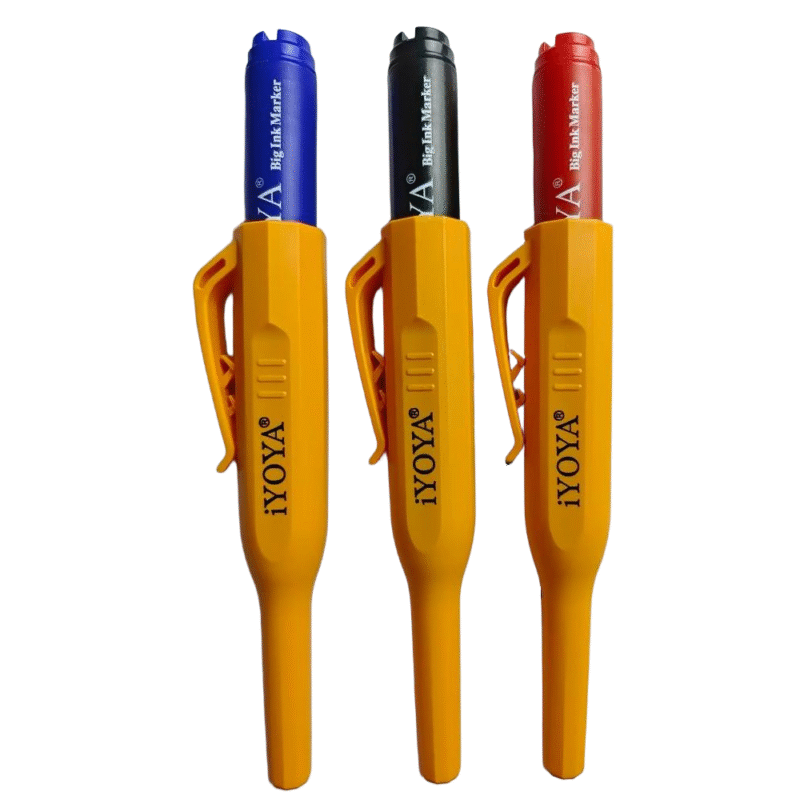
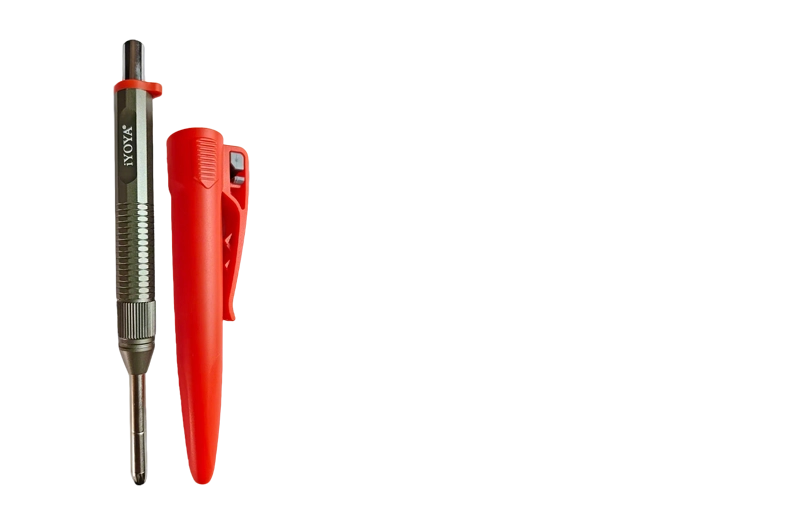
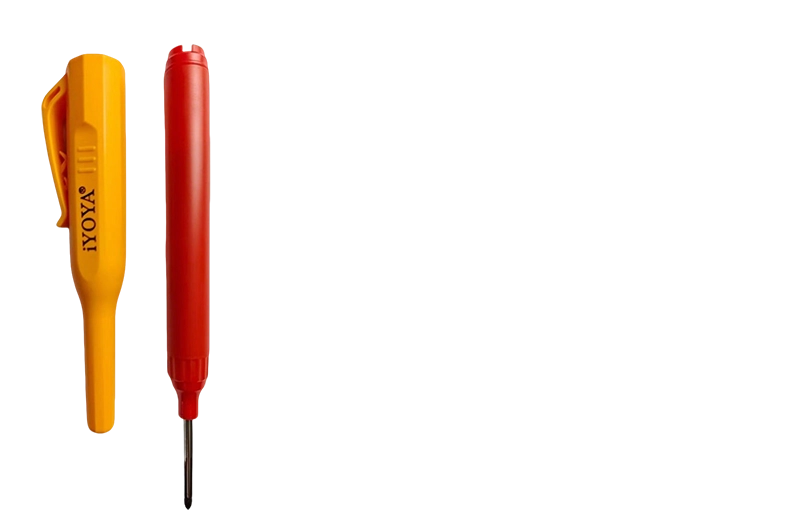
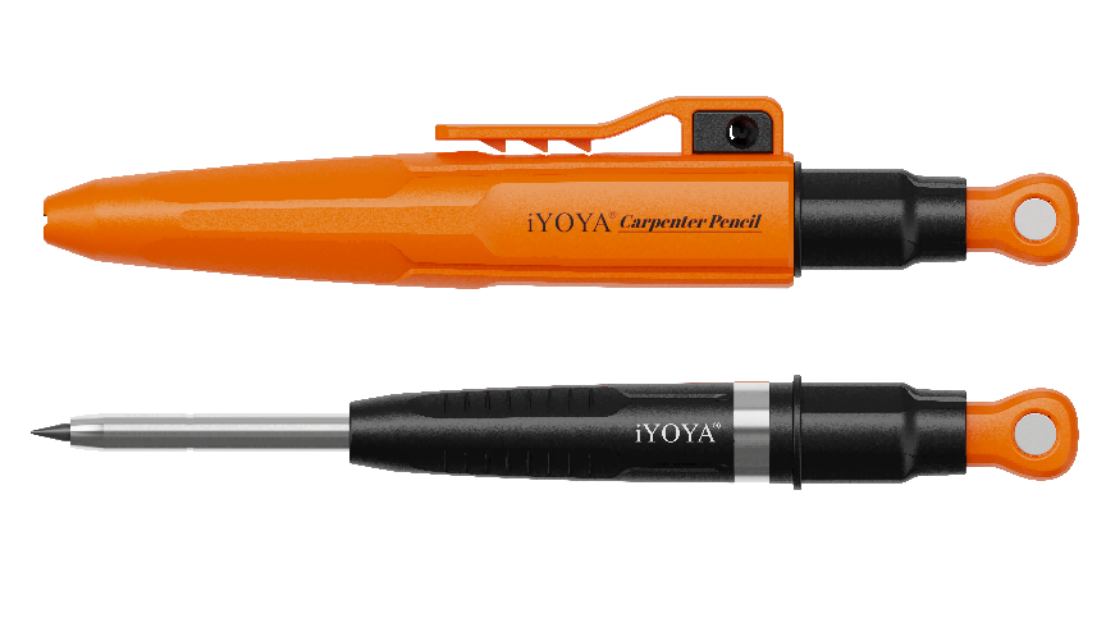
A deep hole woodworking pencil is a specialized professional marking tool optimized for modern complex carpentry projects. It retains the high-precision wood-marking capability of traditional carpenter pencils while solving their biggest flaw: limited reach.
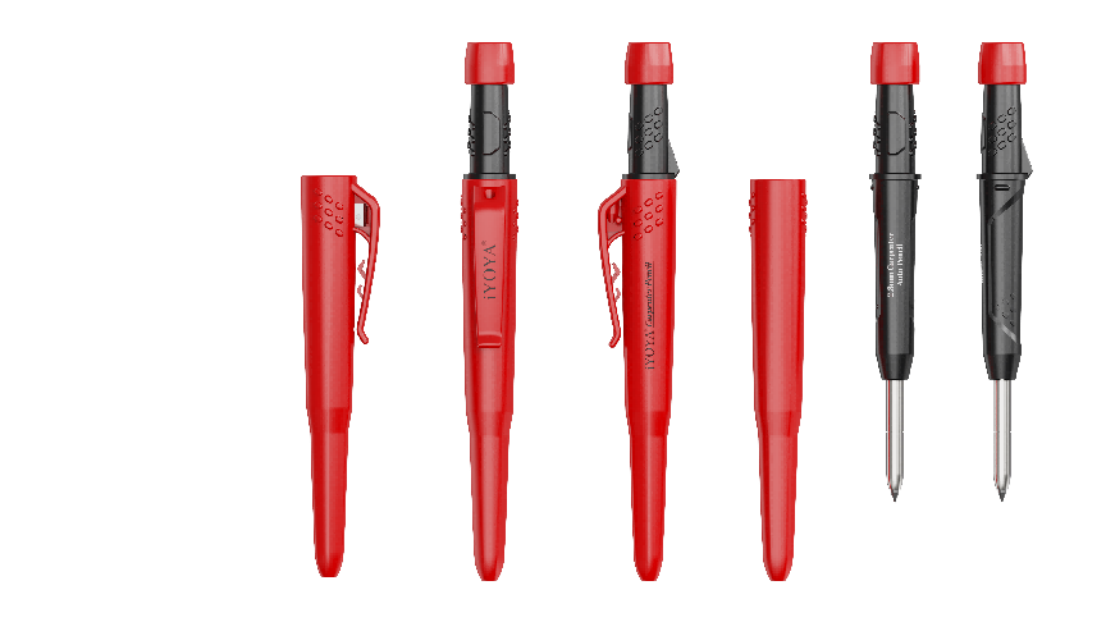
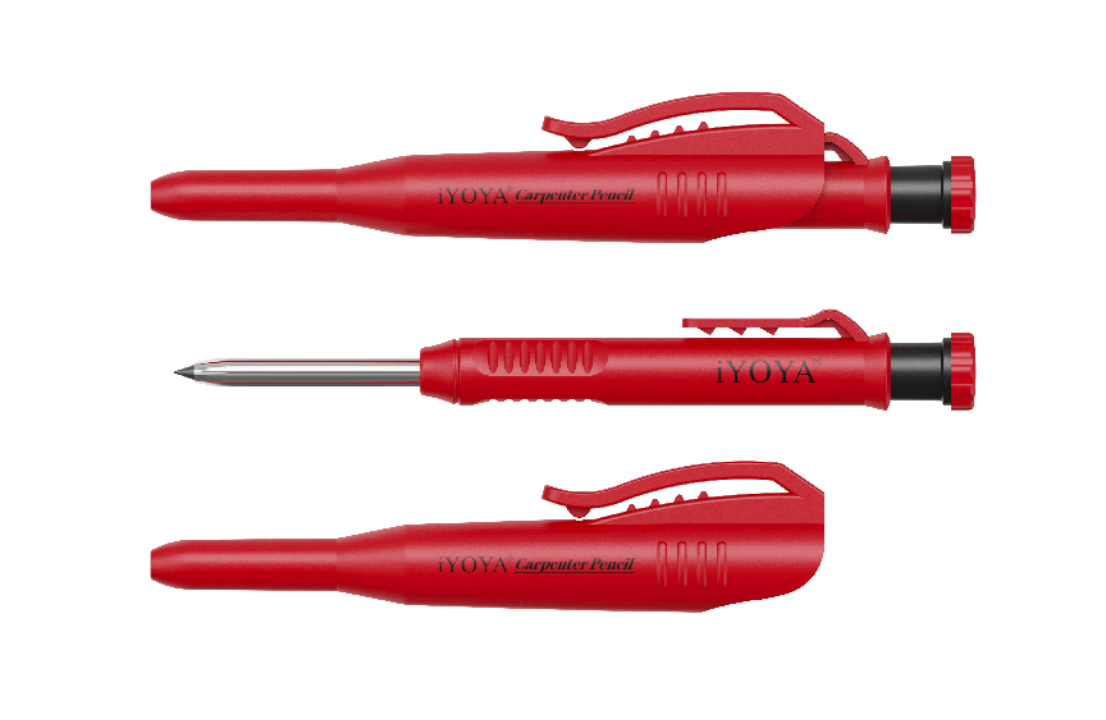
Different from standard pencils, the deep hole carpenter pencil adopts a slim, extended tip structure that can penetrate deep drilled holes, recessed grooves, tight structural gaps, and hidden enclosed wood areas. It is purpose-built for marking hard-to-reach spots where ordinary pencils cannot make contact.
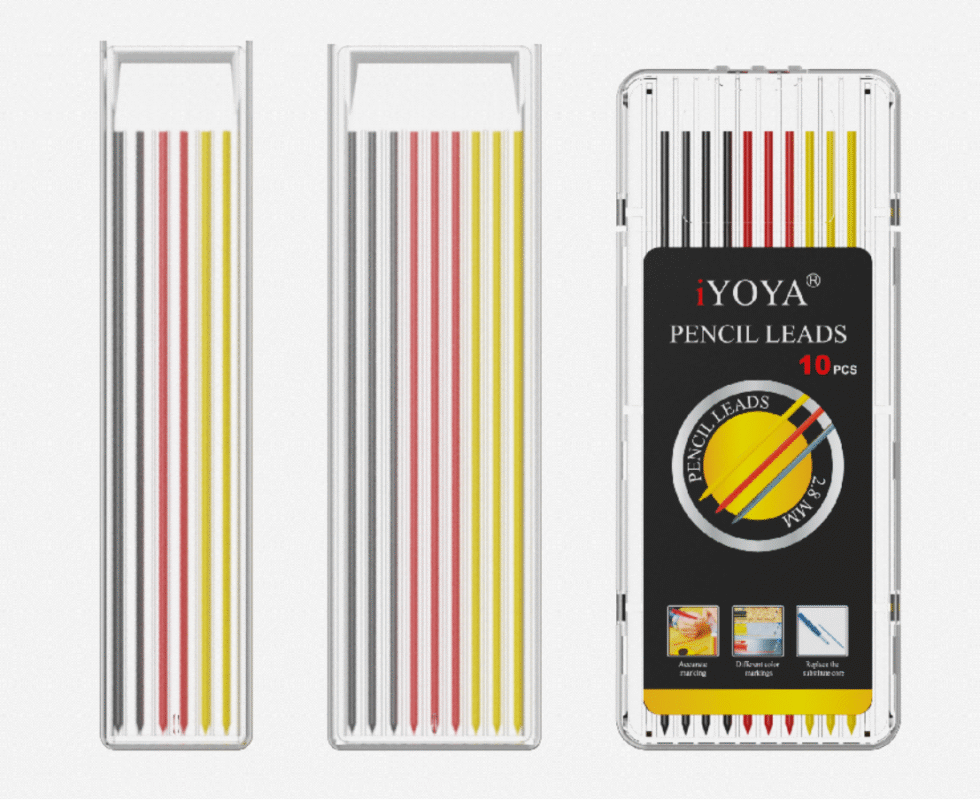
Professional models like the iYOYA deep hole woodworking pencil further optimize mechanical stability and lead durability, ensuring consistent, clear marks even in deep, confined working spaces. It is designed for professional woodworkers who pursue both speed and accuracy.
Core Differences: Deep Hole Pencil vs Traditional Carpenter Pencil
The gap between the two tools is not minor — they serve completely different application scenarios. Below are the key functional differences that affect daily woodworking efficiency:
Marking Reach: Traditional carpenter pencils only mark open, flat wood surfaces. Deep hole woodworking pencils feature an extended slim tip to reach recessed holes, inner grooves, and tight gaps inaccessible to standard tools.
Tool Structure: Traditional flat barrels are bulky and block narrow spaces. Deep hole pencils use a streamlined slim front structure to avoid physical obstruction during deep marking.
Marking Stability: Extended lead on regular pencils shakes easily and breaks frequently. Professional deep hole pencils adopt optimized internal mechanics to ensure stable marking at extended lengths.
Scenario Adaptability: Traditional pencils fit simple lumber marking. Deep hole pencils adapt to furniture assembly, cabinet making, hole positioning, and secondary processing of finished wood structures.
Work Efficiency: Traditional pencils require tool disassembly or DIY extensions for hidden-area marking. Deep hole pencils complete deep marking directly without auxiliary tools.
Pros and Cons of Traditional Carpenter Pencils
Pros
Affordable and widely available
Flat body prevents rolling on workbenches
Thick lead resists breaking on flat surface marking
Easy to sharpen and replace
Perfect for basic lumber cutting and surface marking
Cons
Cannot reach deep holes, recessed cavities, or tight gaps
Bulky barrel blocks confined marking spaces
Unstable and low precision for hidden positioning marks
Cannot support secondary processing marking on assembled furniture
Pros and Cons of Deep Hole Woodworking Pencils
Pros
Extended tip design covers hard-to-reach wood areas
Streamlined structure fits narrow grooves and deep holes
Stable marking performance without shaking or lead breaking
Saves time on complex carpentry and furniture projects
Supports pre-drill marking, assembly positioning, and retrofit marking
Cons
Higher cost than basic traditional carpenter pencils
Professional functions are unnecessary for ultra-simple flat wood marking
When to Use Which Pencil in Woodworking
You do not need to completely replace traditional carpenter pencils. The best tool strategy is matching tools to scenarios:
Use a Traditional Carpenter Pencil when:
Marking straight cutting lines on open lumber boards
Labeling raw wood materials on flat surfaces
Simple outdoor construction rough marking
Basic DIY wood projects without complex recessed structures
Use a Deep Hole Woodworking Pencil when:
Marking positioning lines inside deep drilled wood holes
Marking recessed cabinet grooves and furniture inner cavities
Making precision marks after wood structure assembly
Retrofit marking on finished woodwork
Working on tight joints and confined structural gaps
Why Professional Woodworkers Upgrade to Deep Hole Pencils
Professional carpenters and furniture makers prioritize consistency and efficiency over tool cost. Traditional carpenter pencils create bottlenecks in complex projects: workers often waste time trying to reach hidden areas, repairing broken leads, or correcting offset marks.
Upgrading to a professional deep hole carpenter pencil eliminates these repetitive troubles. Tools like the iYOYA deep hole woodworking pencil are engineered specifically for job-site pain points. With years of manufacturing experience, iYOYA optimizes both mechanical durability and marking accuracy, ensuring every deep-space mark is clear, stable, and usable for high-precision processing.
For contractors and workshop owners, this tool upgrade reduces rework rates, improves project speed, and delivers more consistent finished quality.
FAQ: Deep Hole Pencil vs Traditional Carpenter Pencil
Q1: Is a deep hole pencil necessary for woodworking?
It depends on your project types. If you only work on simple flat wood cutting, a traditional pencil is enough. If you regularly handle drilled holes, recessed grooves, and assembled furniture marking, a deep hole pencil is a necessary professional upgrade.
Q2: Can a deep hole pencil replace a traditional carpenter pencil?
Yes. A quality deep hole woodworking pencil completes all traditional flat-surface marking tasks perfectly while adding deep-space marking functions. It serves as an all-in-one upgraded tool.
Q3: Are deep hole pencils more durable than standard carpenter pencils?
Professional-grade deep hole pencils feature refined internal mechanics and high-quality materials, offering better stability and longer service life than ordinary traditional pencils, especially for frequent complex marking work.
Q4: Do DIY woodworkers benefit from deep hole pencils?
Absolutely. Home furniture building, cabinet installation, and wood renovation often involve hidden recessed areas. A deep hole pencil makes DIY marking more accurate and reduces material waste.
Final Verdict
Traditional carpenter pencils remain cost-effective and practical for basic flat wood marking. However, for any project involving deep holes, recessed grooves, confined gaps, and post-assembly positioning, a deep hole woodworking pencil is undoubtedly the better choice.
For professional woodworkers, contractors, and serious DIY enthusiasts, upgrading to a dedicated deep hole marking tool is a low-cost, high-return improvement that greatly enhances overall woodworking precision and efficiency.