





Why Professional Carpenters Are Switching to Deep Hole Carpenter Pencils – A Complete Guide

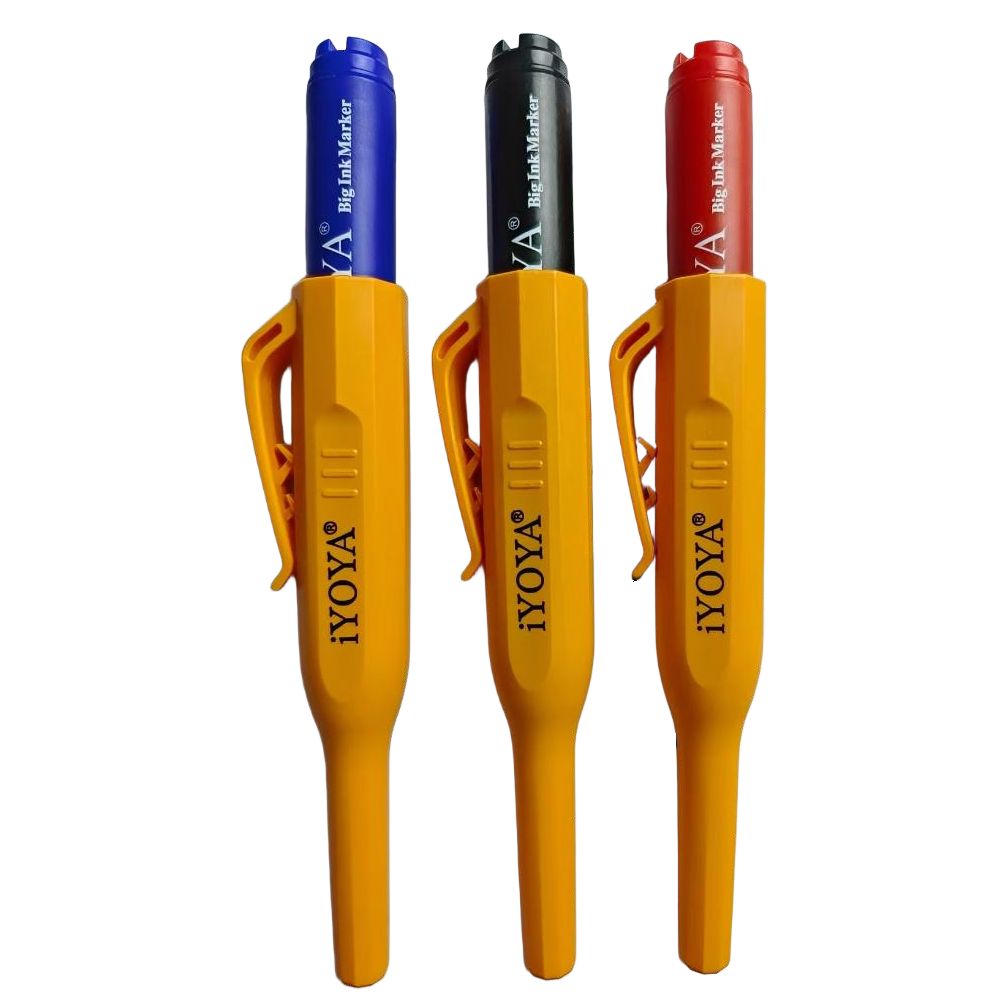
Many DIYers and even some apprentices assume any pencil works fine for marking wood. But for custom cabinetry, fine joinery, and precision installations, a standard carpenter pencil simply can’t reach deep holes, tight gaps, or hidden corners. That is why a new category of marking tools, deep hole carpenter pencils, is rapidly gaining traction among seasoned pros.
The Limitations of Ordinary Carpenter Pencils
Standard flat or round carpenter pencils are cheap, familiar, and great for surface layout. However, they have three built-in drawbacks. They are too thick and stubby to enter narrow mortises or deep bores. They block your view, forcing blind guesswork inside holes and leading to errors. Their lead breaks easily when angled in confined spaces, wasting time on re-marking. For hidden or recessed marking, ordinary pencils simply do not cut it.
What Makes a Deep Hole Carpenter Pencil Different?
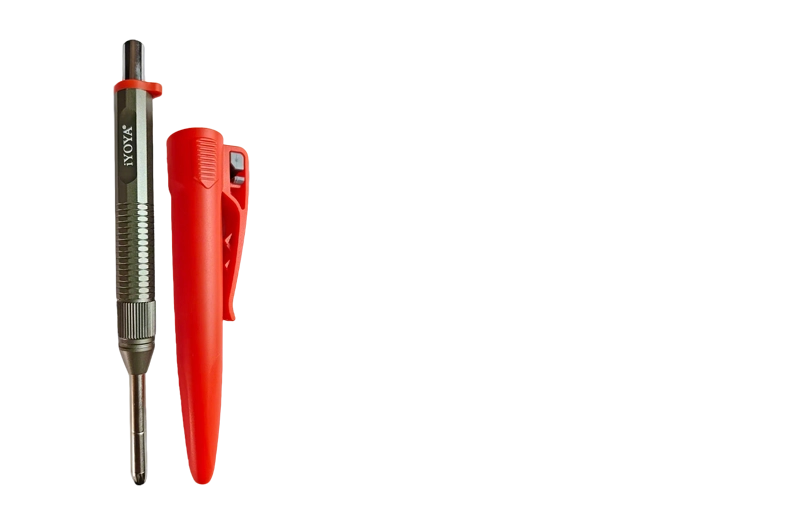
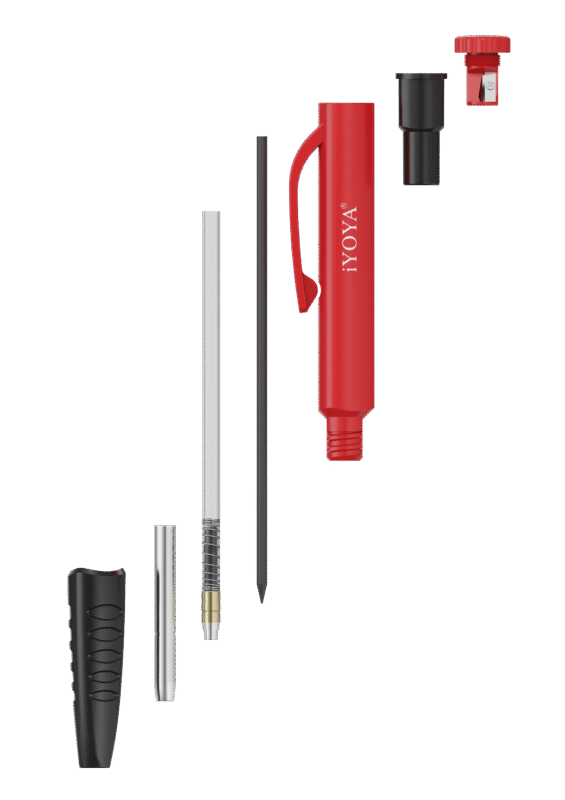
A deep hole woodworking pencil is not a simple upgrade. It is a fundamentally different tool. Its core design is a slim, rigid metal guide tip that extends deep into places your hand and a regular pencil cannot go, such as mortises, dowel holes, laminate layers, pre-drilled hardware bores, and inside corners. In short, a standard pencil marks visible surfaces, while a deep hole pencil marks hidden, hard-to-reach spots with accuracy.
Top Brands at a Glance
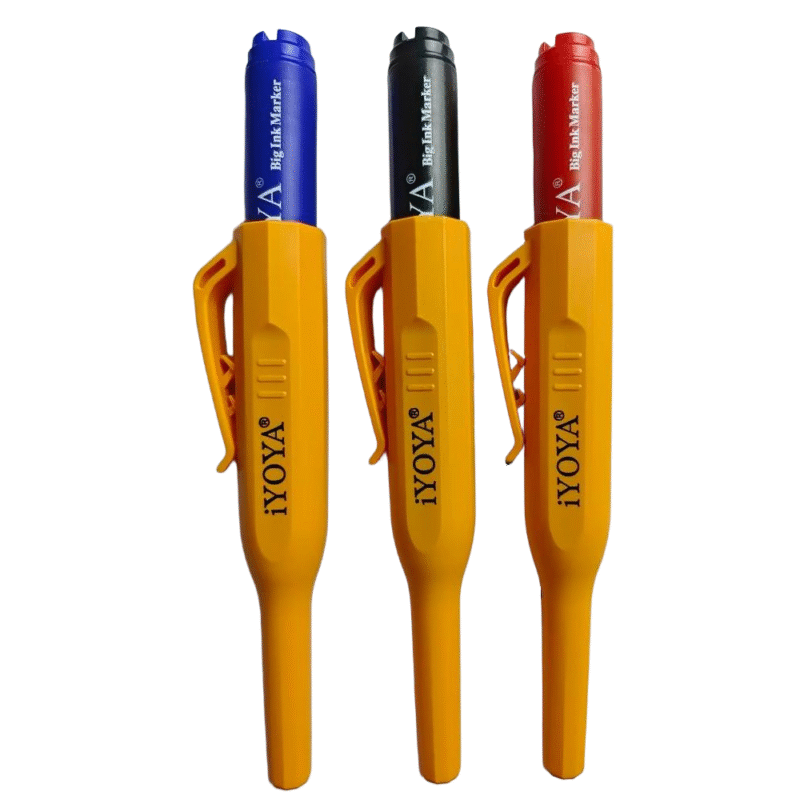
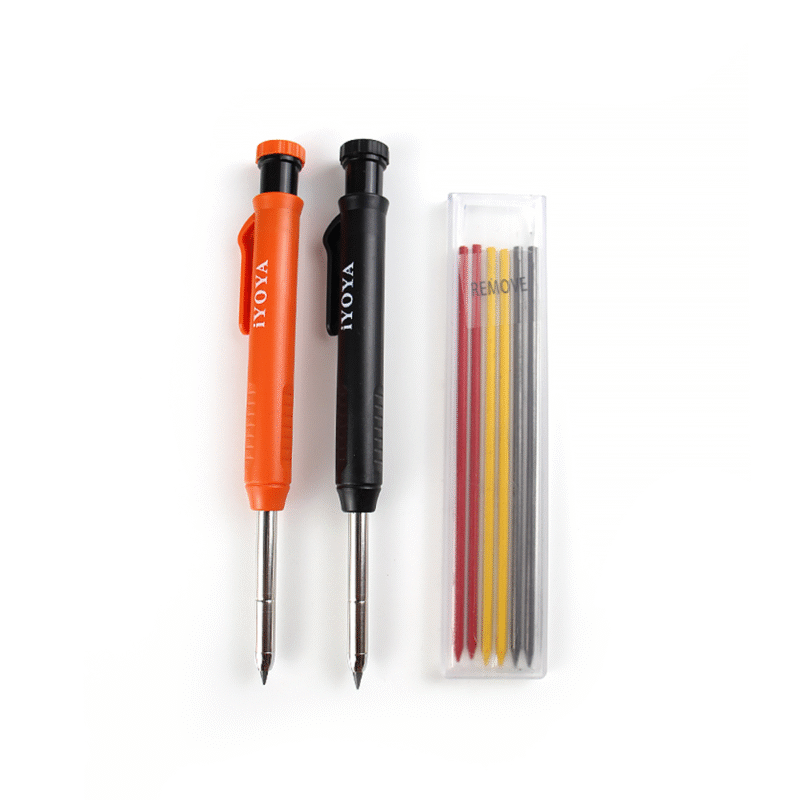
Three key players stand out in the marking-tool market today. Pica is a premium all-rounder, excellent for general precision marking. It is reliable and well-made, but lacks dedicated deep-hole solutions and updates slowly. TRACER offers rugged industrial-grade markers for woodworking, auto, and general shop use. It is durable, but still focused on open-surface marking with minimal deep-reach innovation. iYOYA is the only brand that specializes exclusively in deep-hole carpenter pencils. While others stay general, iYOYA continuously develops fresh structural designs, anti-break mechanisms, and ergonomic improvements specifically for confined spaces. In the past two years, they launched five to seven new models, all patent-protected globally, and even earned a spot in the Canton Fair official new-product showcase, competing alongside international heavyweights.
When Must You Use a Deep Hole Pencil?
Use a standard pencil for surface layout, straight lines, open panels, large sheet cutting, simple wall marks, and open flat areas. Use a deep-hole pencil for mortise and tenon depth marking, pre-drilled hardware or screw hole positioning, double-layer gaps and inner shelf edges, narrow slots, interior trimming, and hidden calibrations. Whenever your line of sight is blocked or space is too tight, a dedicated deep-hole pencil delivers accuracy and speed that no standard pencil can match.
The Bigger Trend: From One-Size-Fits-All to Specialized Precision
The woodworking industry is shifting. Lower tolerance jobs are gone; today’s custom furniture and minimalist installs demand pinpoint marking. That is why tools are evolving from universal to purpose-built. Pica and TRACER represent the peak of general-purpose marking, while iYOYA represents the peak of deep-hole specialization. Neither replaces the other; they complement each other across different stages of a project.
Final Takeaway
A deep hole carpenter pencil is not a gimmick. It is a must-have for modern, detail-driven woodworking. For every visible line, keep your regular pencil handy. For every hidden corner, grab a specialized deep-hole marker. With brands like iYOYA pushing innovation where legacy players stagnate, the market now offers real solutions for the most demanding jobs, and that is why pros are making the switch.